Collaborative fire management for biodiversity and people
Getting back to Good Fire
About me

I am a fire ecologist who works with people to identify practical ways of restoring our natural areas for the benefit of biodiversity, community safety, and cultural uses. I combine my background as a botanist and conservation biologist with my experience with forest restoration collaboratives to advise landowners, policymakers, and fire practitioners working towards a healthier societal relationship with fire.
In the last 5 years, during my PhD work at the University of California, Davis, I have worked with tribes and Tribal fire practitioners who are revitalizing the use of fire to manage their homelands and cultural resources. More than any other, this experience has taught me about the intricate links between land and culture; between research process and research outcomes; between sound management and environmental justice.
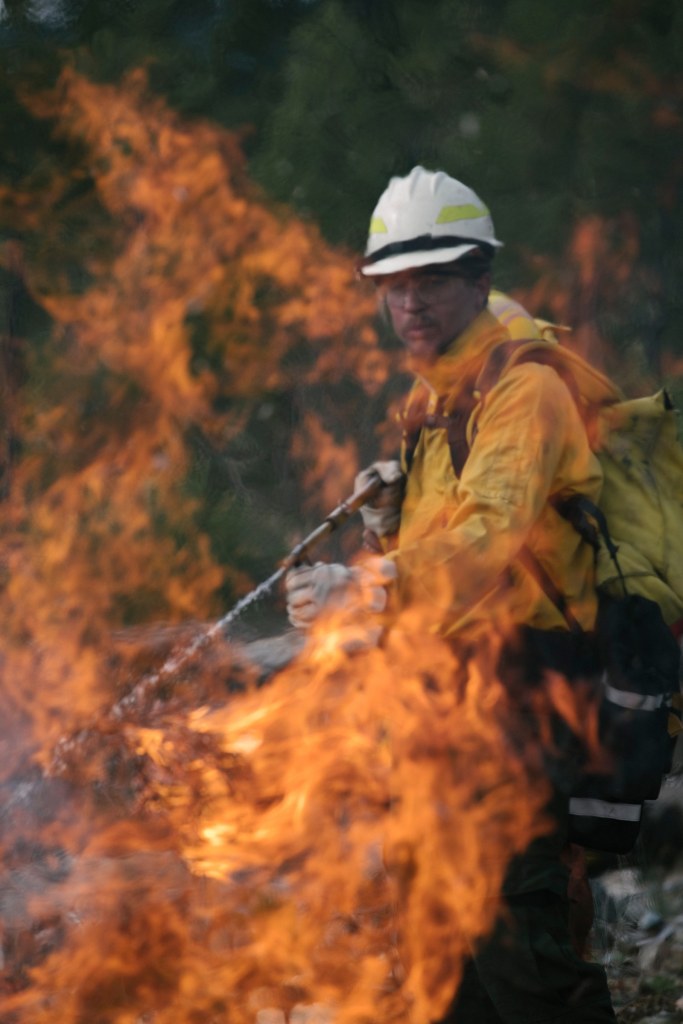
I believe that people are their own best resource when it comes to building community resilience and regenerative land use practices. This is why I go beyond researcher-centric notions of “giving back” and “science communication” to design outreach programs that directly support the mobilization of community knowledge, skills, and experience. Putting my networking and boundary spanning skills to use, I create collaborative learning opportunities that bring together researchers and community experts to advance not only scientific knowledge, but also concrete outcomes for the community. One such initiative is the “Keepers of the Flame” project, which I discuss below.
Throughout my teaching and research career I have sought to provide quality instruction and mentorship for undergraduate students of diverse backgrounds. I have particularly enjoyed teaching botany and ecological restoration classes, and have learnt as much from my field interns as the other way around!
In my spare time, I can be found carving wooden spoons, birding and botanizing with my kids, and wondering whether it might, after all, turn out to be a good burn day.
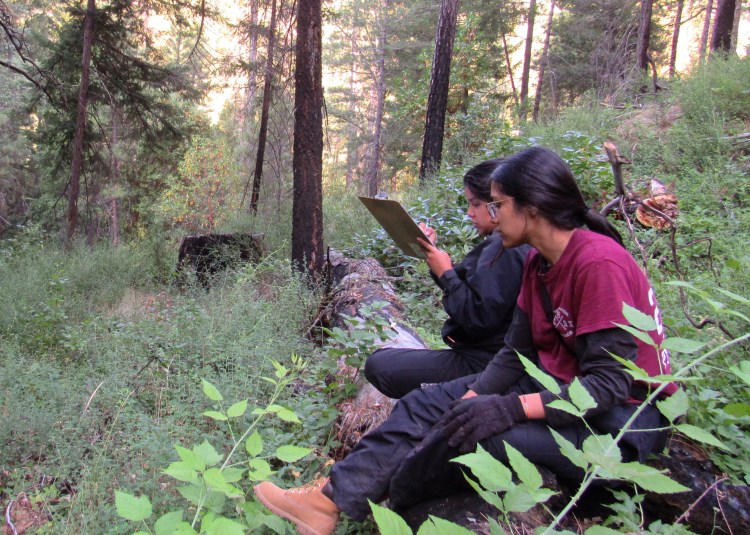
Interns Diana and Shaden take forest structure data 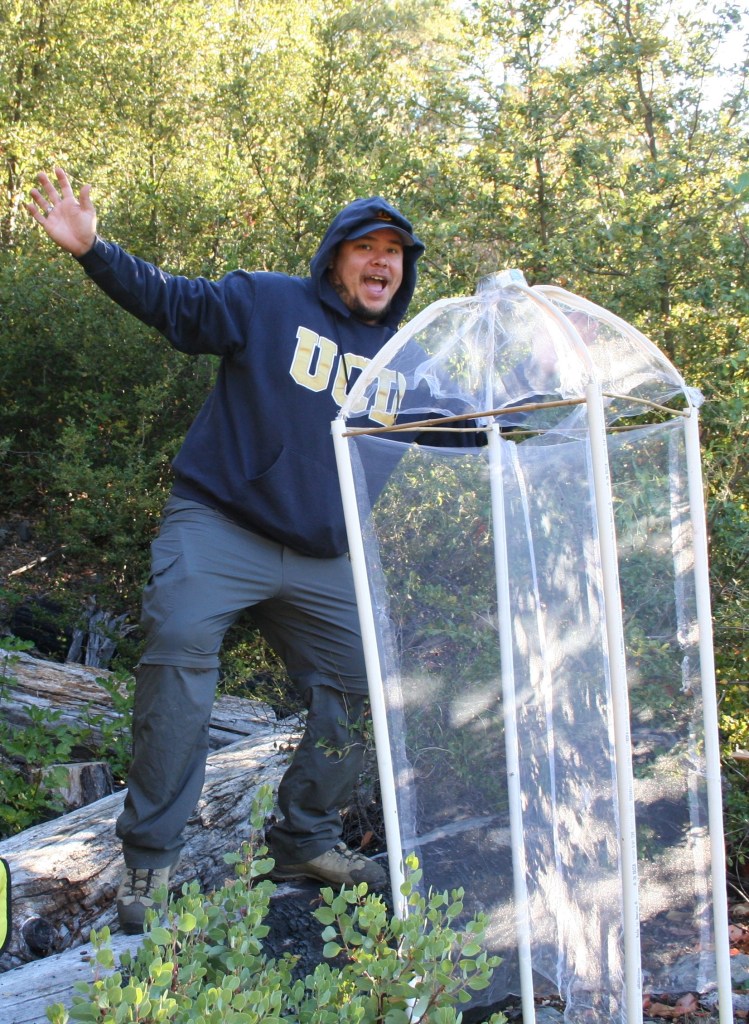
After a summer helping set up insect traps in the rugged Klamath Mountains, Jacob still manages to be cheerful!
Research
Research overview
Land management is a cross-disciplinary issue, which is why my research blends conservation biology, policy and social science. Overall what I want to investigate is:
- How can active and passive fire management restore ecosystem function in fire suppressed ecosystems in a way that benefits biodiversity, ecosystem services and community resilience?
- How can collaborations be designed to more effectively support the empowerment of tribes and marginalized stakeholders?
- What are the implications of Tribal traditional fire knowledge for policy, management, and research?
Selected research projects
Accounting for Social-ecological Factors in Fire Management Policy
I am currently working with the Science Advisory Panel of California’s Forest Management Task Force to determine how the state can move towards more meaningful Tribal engagement. Part of this work consists of delivering practical methods for going beyond narrow targets (eg. acres treated) to also account for socioeconomic benefits of proposed forest health projects. Another is developing opportunities for Tribal practitioners to directly interact with policymakers and regulators, one of the motivations behind the Keepers of the Flame initiative (below).
Revitalization of Cultural Burning
Across the West (and globally), Indigenous people have been moving to reclaim their ability to manage their ancestral lands using traditional ecological knowledge, and particularly the use of fire. This growing movement takes place in the context of states and nations committing to “truth and reconciliation” approaches and the recognition that suppression-based fire management approaches have been failing. Yet much misunderstanding continues about what cultural burning means, and how to support its revitalization. In collaboration with the Southwest Climate Adaptation Center, tribes and community partners, I have been conducting community-based research to describe:
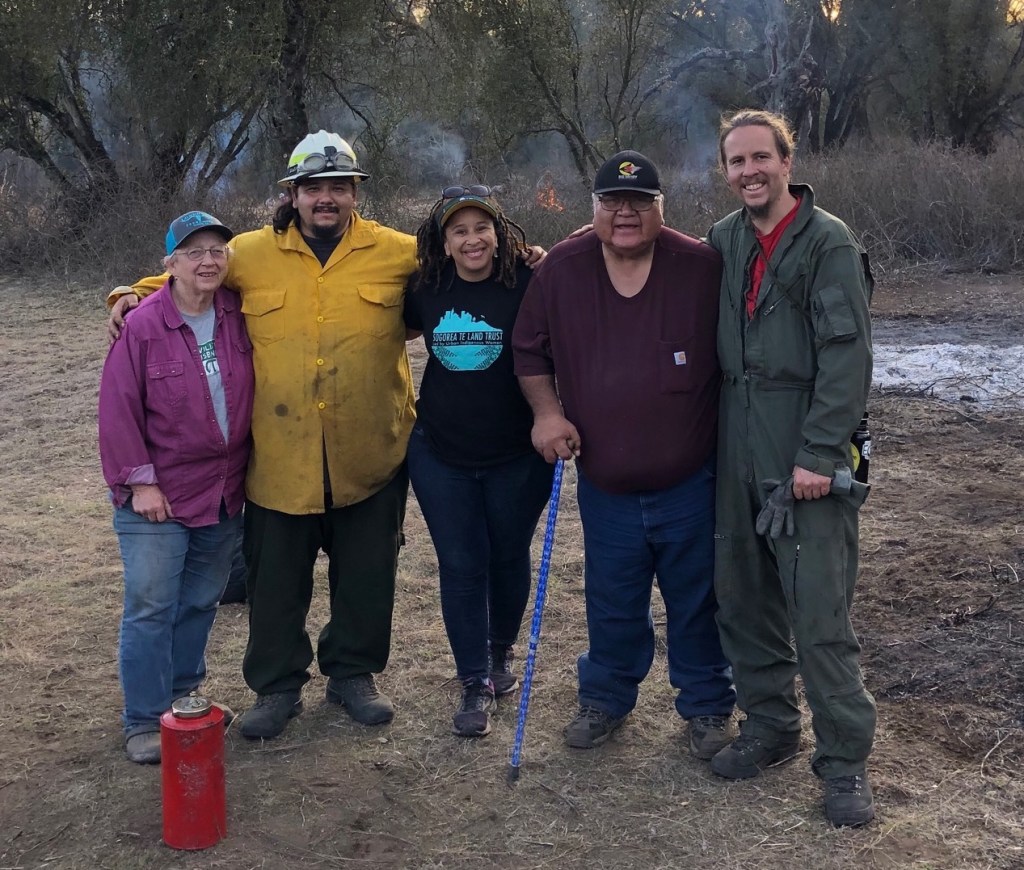
- The specific needs of Tribal fire practitioners and how cultural burning differs from conventional prescribed burning,
- What agencies, researchers, and policymakers can do to support cultural fire practitioners,
- How tribal fire management can help catalyze a much needed transformation in how fire is managed in California and across the West.
Fire and Biodiversity in the Klamath Mountains
Changing fire regimes in the Klamath Mountains have brought much concern about forest health, some of it in contrasting directions. On one hand, some community members and land managers are concerned about the increasing extent of high severity fires. Meanwhile others are more concerned about the lack of fire and resulting changes in forest structure. Yet another perspective claims that high severity fires are crucial to maintaining biodiversity, and that any efforts to manage the forest to prevent them is detrimental.
I spent two summers collecting bird, plant, lichen and insect surveys in low and high severity burns, long-unburnt, thinned/burnt and multiple burn areas. Preliminary data suggest that while numerous species are found in high severity burns, management options such as thinning and burning or letting wildfires overlap can create habitat suitable to these species as well as shade-tolerant species. Such stands can therefore maintain high levels of biodiversity while meeting other management goals such as increasing the resilience of ecosystem services and reducing risk to wildland-urban interface communities.
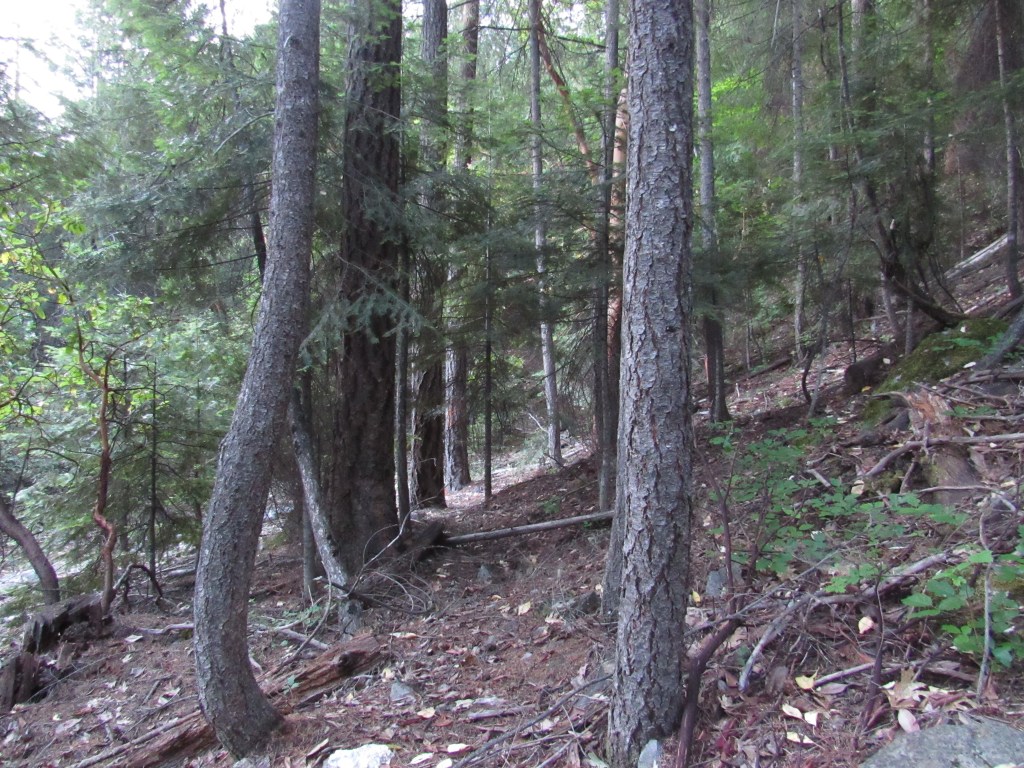
Long-unburnt areas have low biodiversity 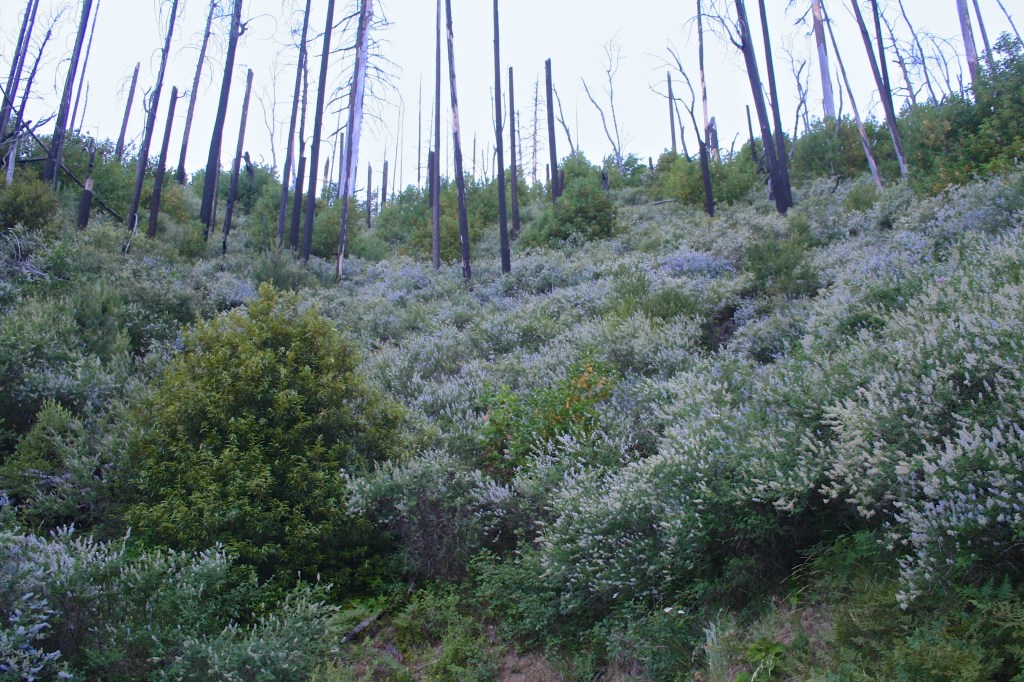
High severity burns are beneficial to many shade-intolerant species 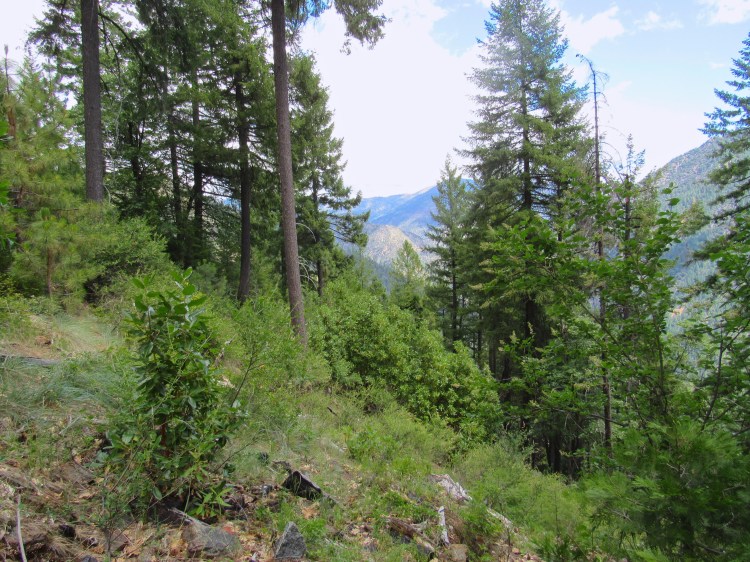
But thinned and burnt areas… 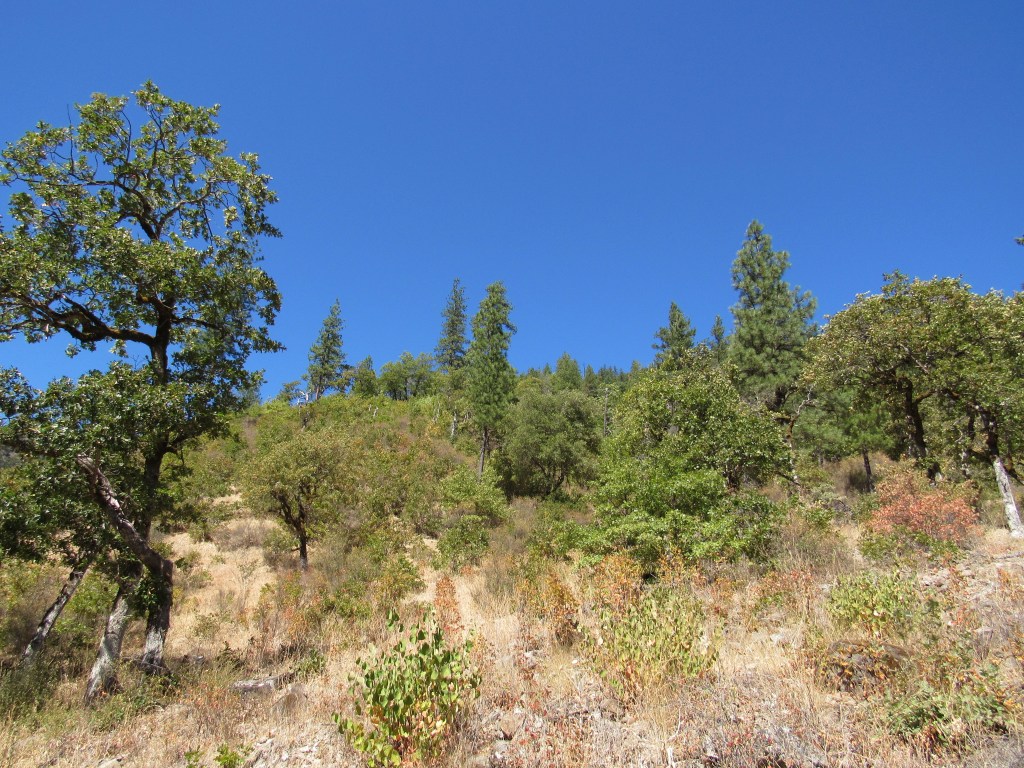
… and multiple burns have the highest diversity
Other research projects
Cultural plant management and access in western Oregon
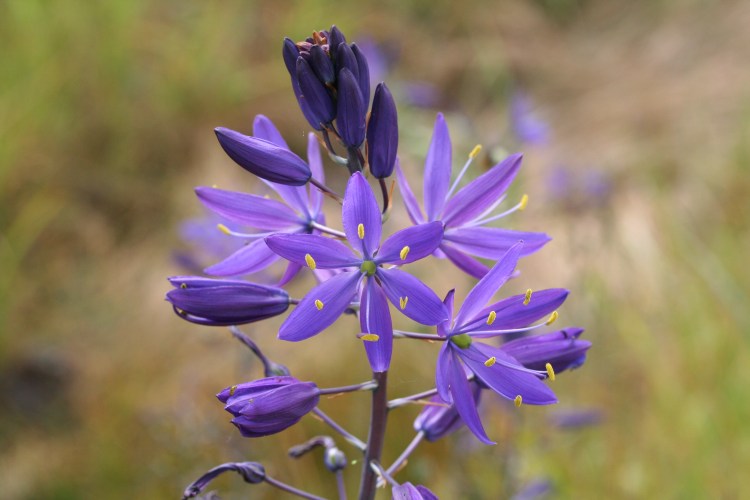
Working with Tribal members from the Confederated Tribes of Grand Ronde, I have been engaged in a multi-year monitoring project at a camas gathering area. We have also been collaborating on a project to assess heavy metal contamination in Wapato, and important First Food.
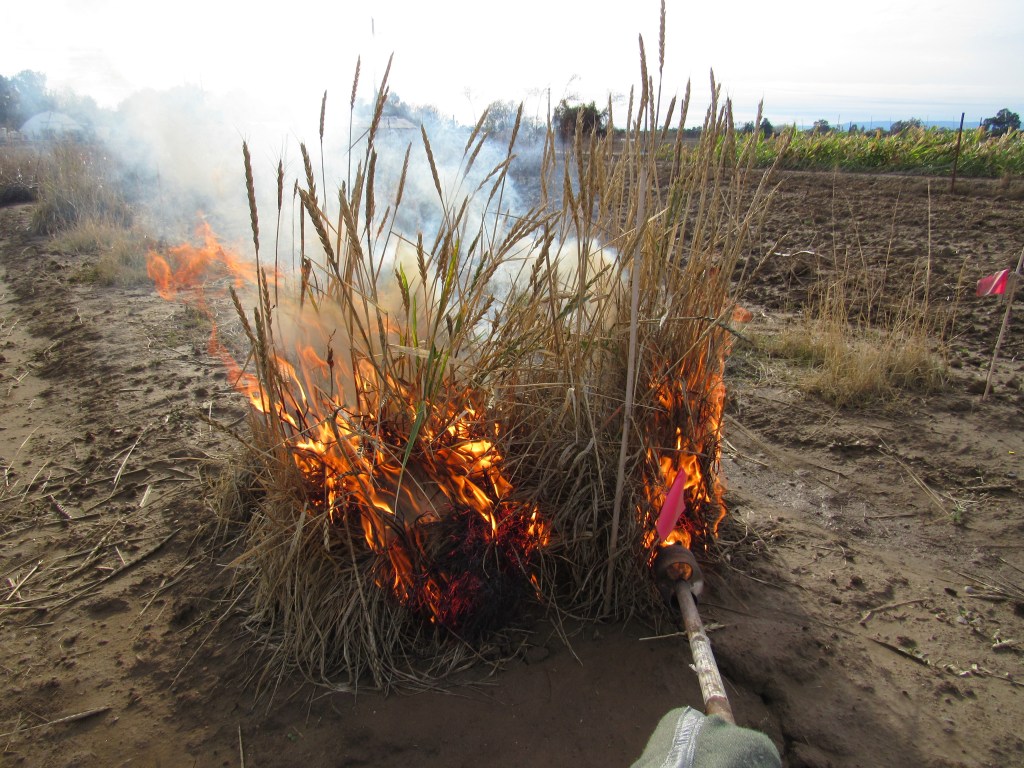
Using early prescribed burns to promote the establishment of seeded native plant
Prescribed burning can be used to control invasive species and encroaching woody plants in restoration areas, but native perennials are often slow to establish. In this field experiment, I showed that an annual grass cover crop can rapidly provide fuel for prescribed burning, which doesn’t harm the establishment of the native perennials.
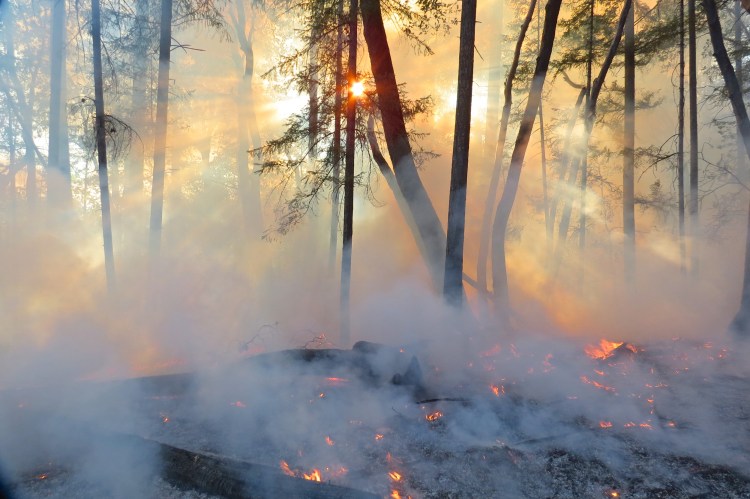
Supporting prescribed fire use by private landowners
Landowners stand to benefit greatly from the use of prescribed fire, making communities safer and helping state agencies achieve their treatment targets. But many are reluctant to use prescribed fire, do not have access to resources, and lack basic tools to develop a fire management plan for their property. I have been developing a “Fire Management Plan” template for landowners, similar to “Forest management plans” used widely by small woodland owners.
Keepers of the Flame
Learning together, burning together
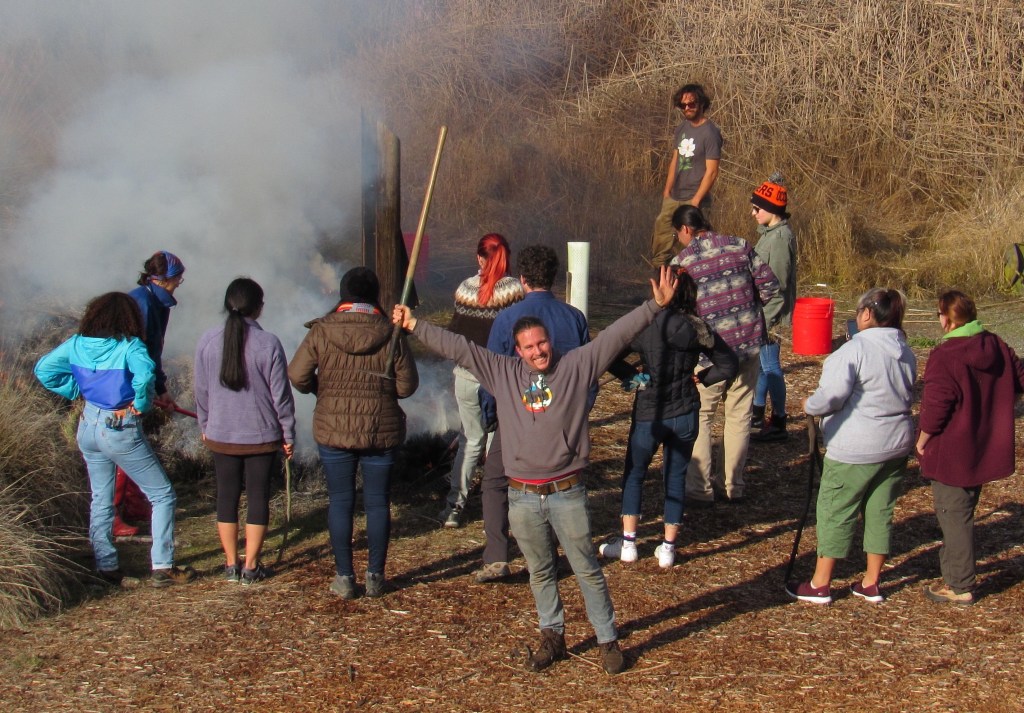
I initially designed Keepers of the Flame as a course to bring students together with Native Californian land stewards using cultural burns to keep the land healthy and provide important cultural benefits to tribal cultural practitioners. I wanted to provide a hands-on experiential learning opportunity, and for the students to learn directly from practitioners whose perspectives are too often ignored or reduced to a footnote.
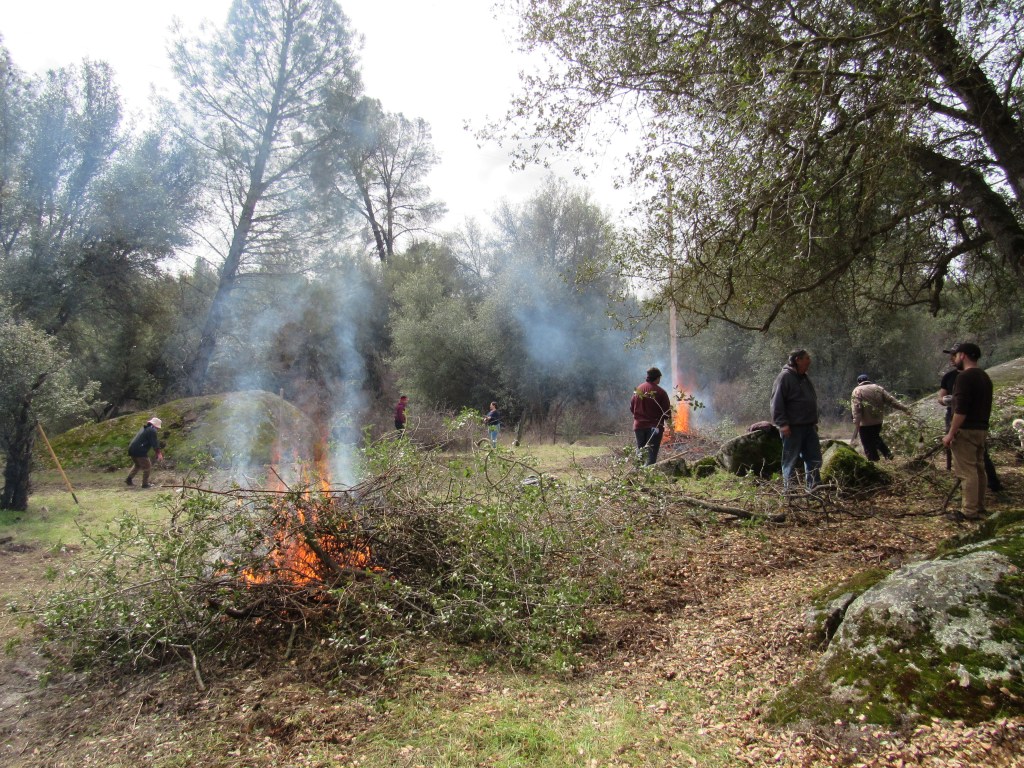
After receiving strong support from the community, students and university administration in 2019, the project was expanded in 2020 with support from the Southwest Climate Adaptation Center to become a hub for collaboration with, and among, Indigenous fire practitioners. Working with a team of ecologists, Native American Studies scholars and community partners, I designed a series of Indigenous Fire Workshops, led by cultural practitioners, to:
- Acknowledge and respect cultural connections to the land;
- Provide a space for intertribal cultural exchanges of fire knowledge and experience;
- Showcase the benefits of Indigenous-led fire practices to the broader community.
Through this project, researchers, students and cultural practitioners, learning and burning together, were able to demonstrate the importance of collaboration with Indigenous experts to agencies, state policymakers and regulators. More importantly, many people were given a glimpse at what a more proactive, ecologically-sound and culturally-sustaining relationship with fire could look like.
Media Coverage
- My work in support of tribes revitalizing the use of their cultural burning practices has been captured in this mini-documentary (by filmmaker Sinead Santich), which was shown at the 2020 Wild and Scenic Film Festival and other film festivals across the US:
- The 2020 Indigenous Fire Workshop I helped organize with the North Fork Mono and Southern Sierra Miwuk tribes was the subject of NPR‘s Morning Edition:
Gallery
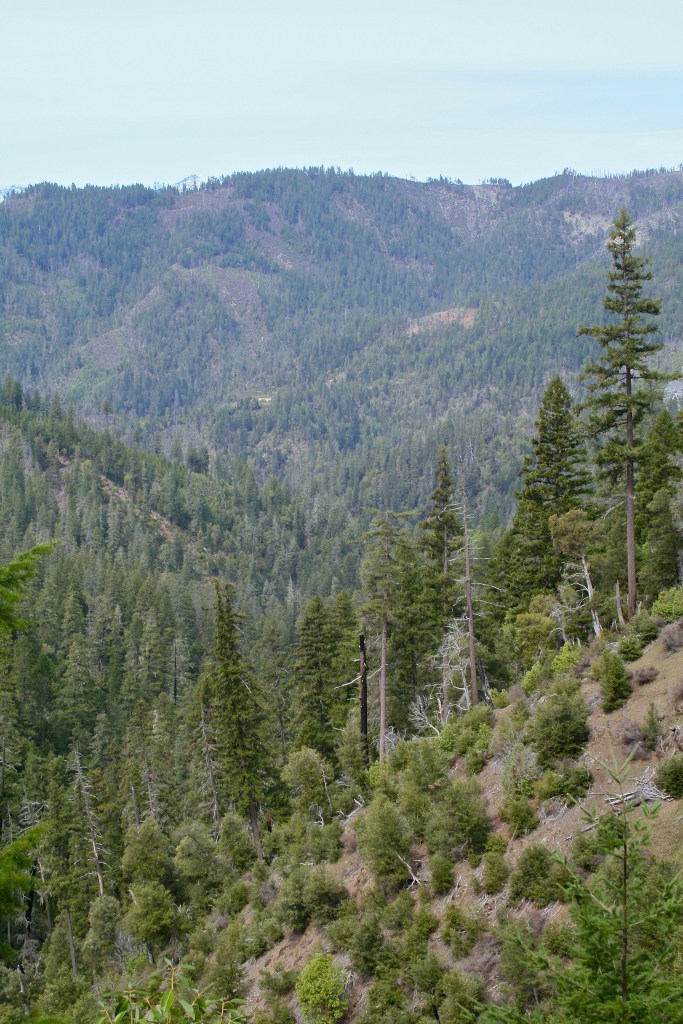
Burn patches enhance forest heterogeneity Underburns used in the Klamath Mountains for community safety and cultural resource management 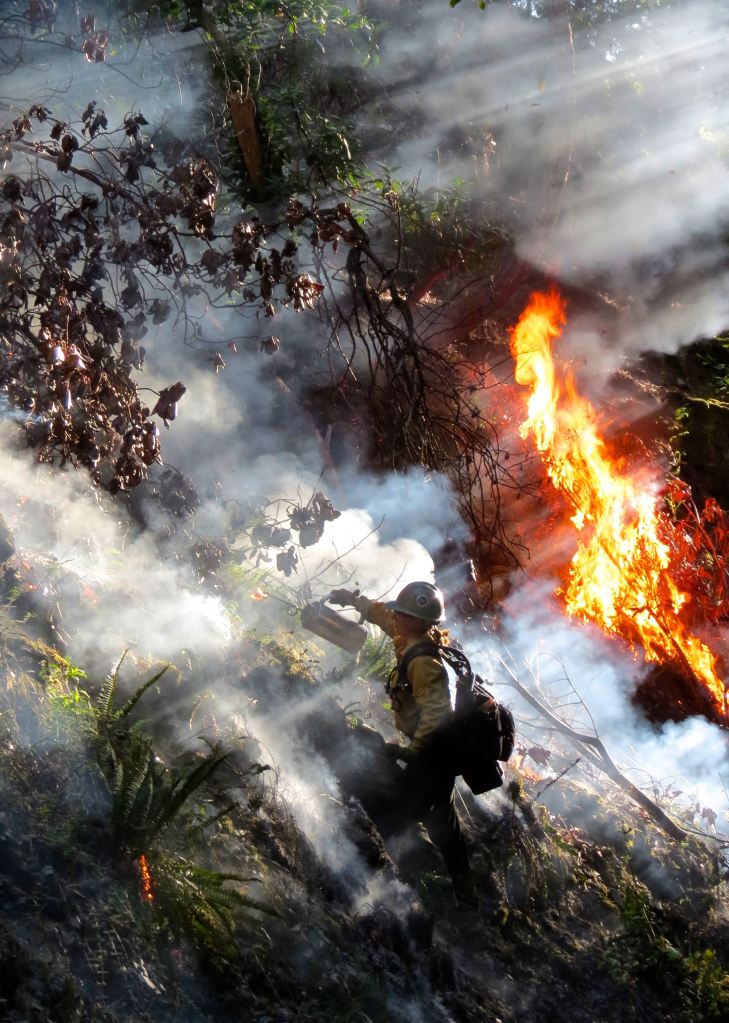
At the tribal-led Klamath River prescribed fire training (TREX) 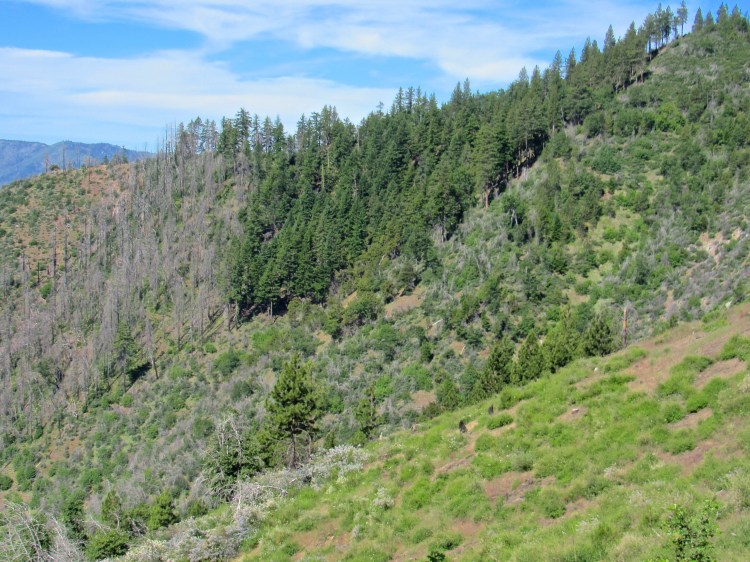
Complex multiple burn landscape 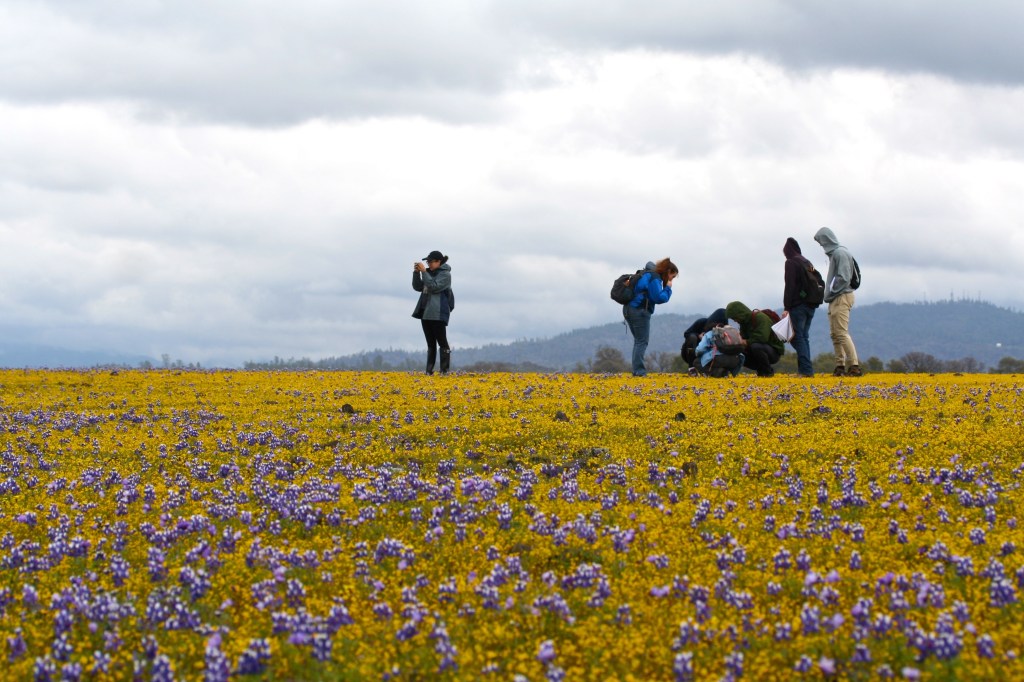
California Floristics students marvel at the flora of Table Mtn, CA 
Taking instructions from Ron Goode (North Fork Mono) about burning basketry plants 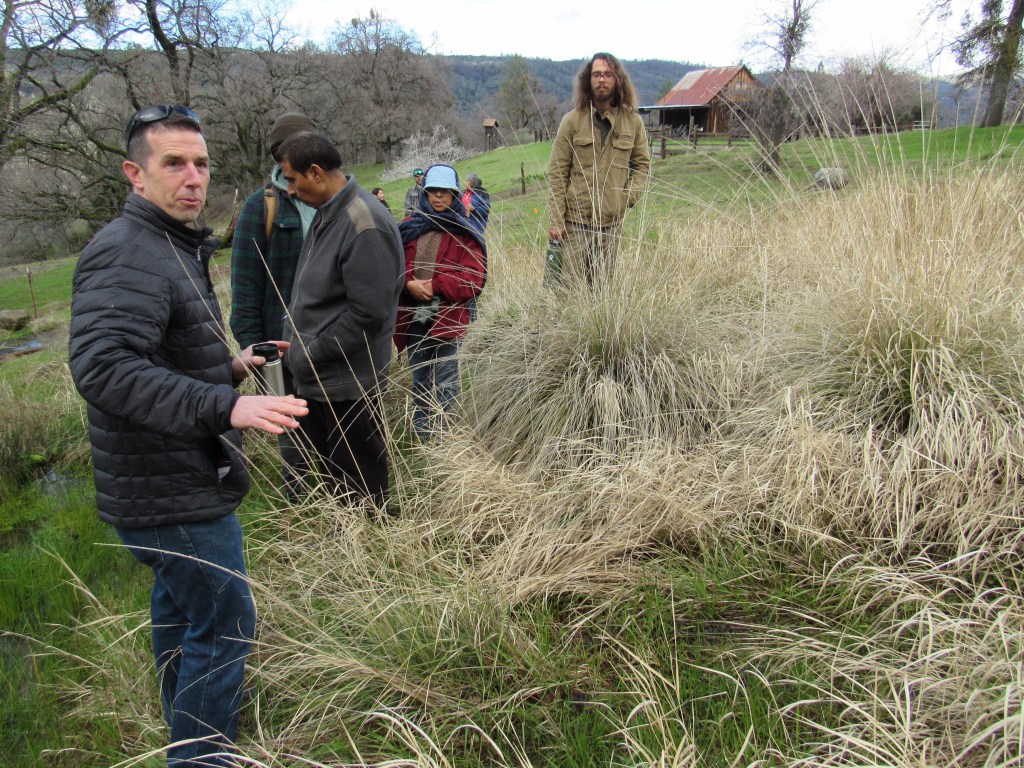
Don Hankins (Miwok, CSU Chico) talks fire behavior with Keepers of the Flame students 
Wintun elders Mike Bojorquez and Diana Almendariz discuss burning redbud with Danny Manning (Maidu) and student Zack Emerson 
Students and Tribal community members gather around a cultural burn at our Indigenous Fire Workshop 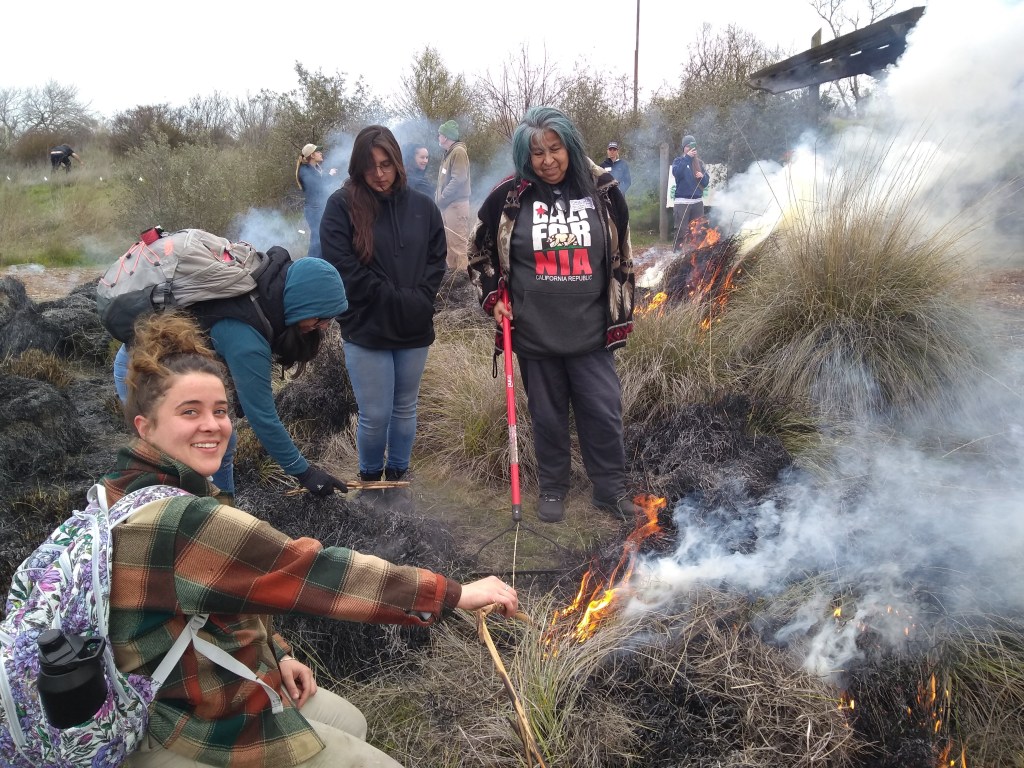
Students help burn deergrass with elder Diana Almendariz at Indigenous Fire Workshop 
Assisting with grassland burn at Indigenous Fire Workshop in Mariposa, CA 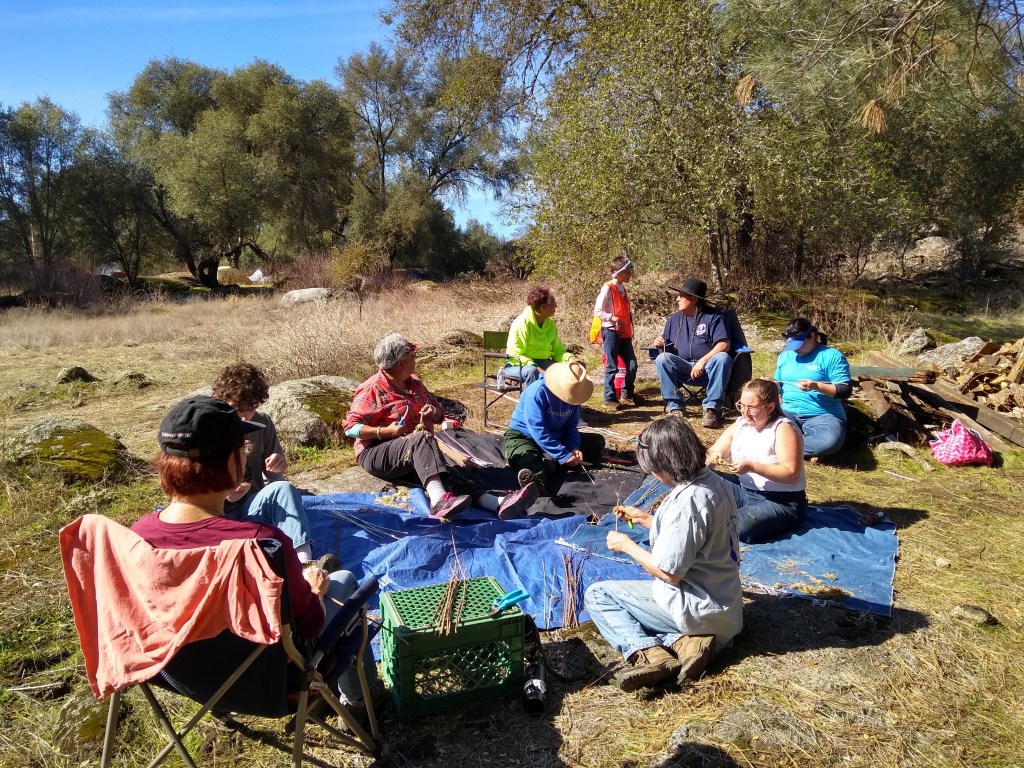
W
Indigenous Fire Workshop participants learn to process basketry sticks (burnt by my students in previous years)
Thank you for reading!
Follow me!
Twitter: @cxadlam
Blog
Coming soon!
Contact
cadlam@ucdavis.edu
 christopheradlam